Time Blocking: Protecting the Deep Work That Compounds

Time Blocking is a calendar discipline that reserves fixed blocks for specific work types before reactive work fills the week. The premise is that deep work (architecture, tech-debt paydown, analysis) compounds but is quiet, while reactive work (meetings, tickets, escalations) is loud. Without blocks, loud work wins.
The hidden cost of context switching
Studies show context switching is one of the largest hidden costs in engineering organisations. A developer who switches between a refactor, a code review culture, three meetings, and a ticket queue loses productive time at every switch. Time Blocking reduces switches by batching similar work into dedicated blocks.
How to apply it
1. Audit where time goes today. 2. Block deep work before reactive work. 3. Defend blocks from meetings. 4. Review actual vs. planned weekly.
The audit is the first step. Most leaders are surprised by how little time reaches deep work when they measure it. Blocking mornings for architecture and afternoons for review, planning, and 1:1s ensures the important work gets done alongside the urgent.
A real example
Mornings were blocked for architecture: no meetings before noon, no Slack notifications, no tickets. Afternoons were for review, planning, and 1:1s. The design time that was previously consumed by meetings was protected, and the refactor that had been deferred for months shipped in three weeks. The weekly audit showed 60% deep work, up from 25% before blocking.
Where it stabilises cadence
For inventory and supply-chain leaders, blocked analysis time keeps forecasting, safety-stock, and BOM reviews on cadence instead of reactive, which stabilises service levels and carrying cost. For technology leaders, it protects the architecture and evaluation work that compounds: vendor selection, platform design, tech-debt sequencing.
The weekly audit
Time Blocking produces a weekly actual-versus-planned time audit. The audit shows whether deep work is being defended or eroded by reactive meetings. When the ratio slips, the cadence is adjusted before context-switching silently inflates opex and delays strategic work.
Related Articles
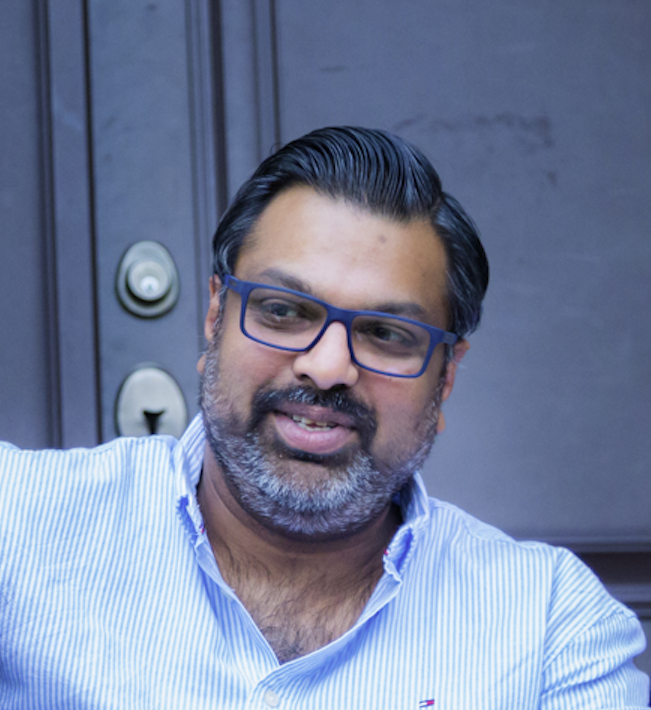
Sufi Khan Sulaiman
VP Technology & CTO with 25+ years building ecommerce platforms, enterprise systems, and AI solutions
Expertise across ecommerce strategy, cloud architecture, AI & machine learning, DevOps, and technology leadership. Led teams at FLIR Systems, Lorex Technology, 1c Platform, and Genetec.
More Articles
Explore the Full Portfolio
This is the complete portfolio of Sufi Khan Sulaiman, a technology leader specialising in B2B commerce and digital automation. Start from the Home page for the overview, then move through two decades of career experience across FLIR Systems, Lorex Technology, and 1c Platform, and the full catalogue of project case studies spanning headless commerce migrations, AI recommendation engines, and multi-channel fulfilment systems.
The skills and certifications page maps the technical and leadership capabilities behind the work, while the articles and the knowledge base break down the thinking into actionable frameworks. For hands-on learning, the tutorials and applications sections cover practical builds from front-end fundamentals to full-stack web apps.
For consulting engagement, the expertise page outlines service offerings, the ecommerce hub covers platform architecture and automation strategy, and the ecommerce guide (PDF) is a downloadable 55-page field manual. When you are ready to talk, the contact page is the direct line.